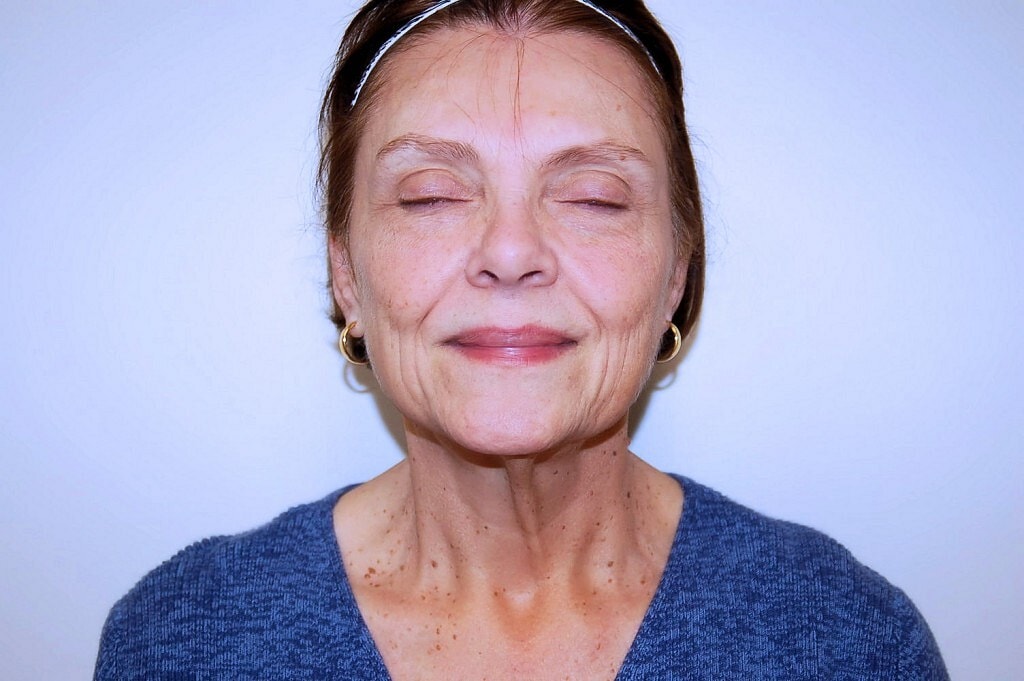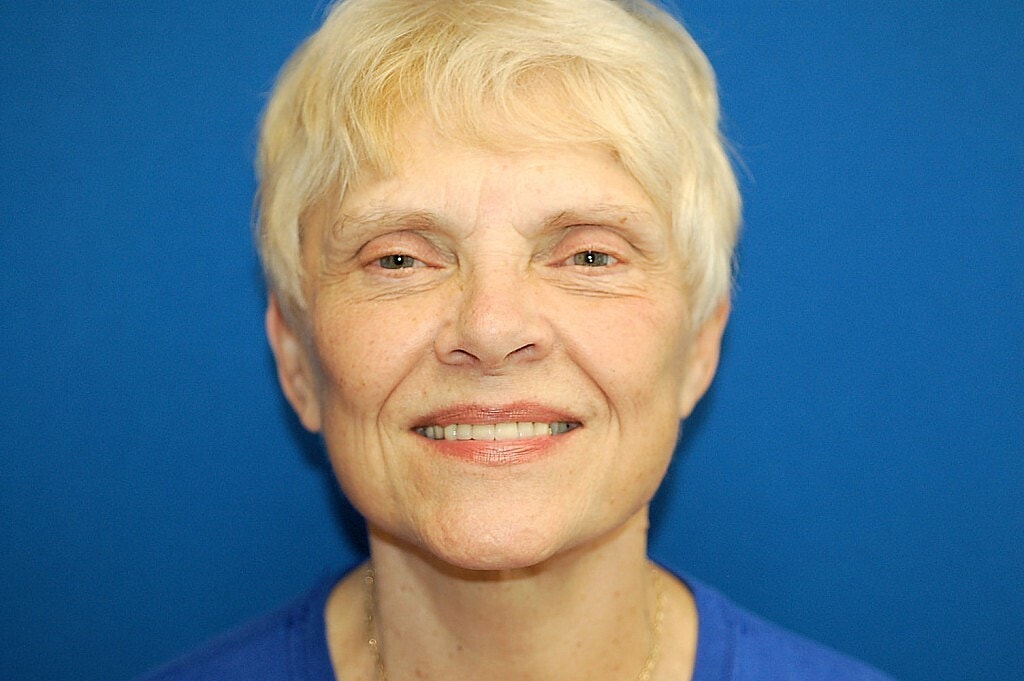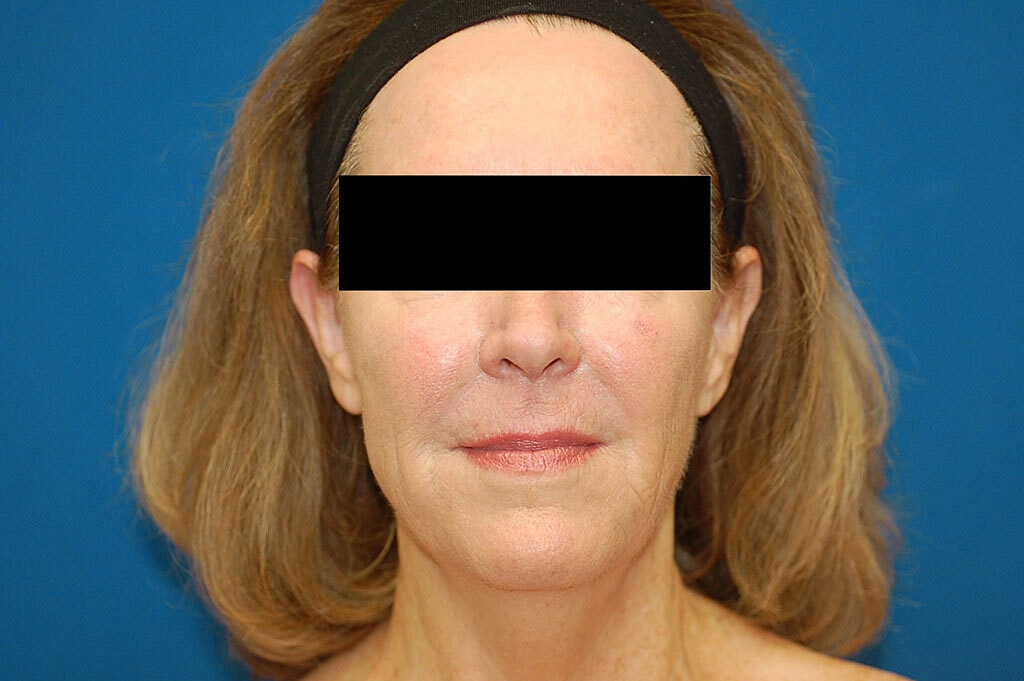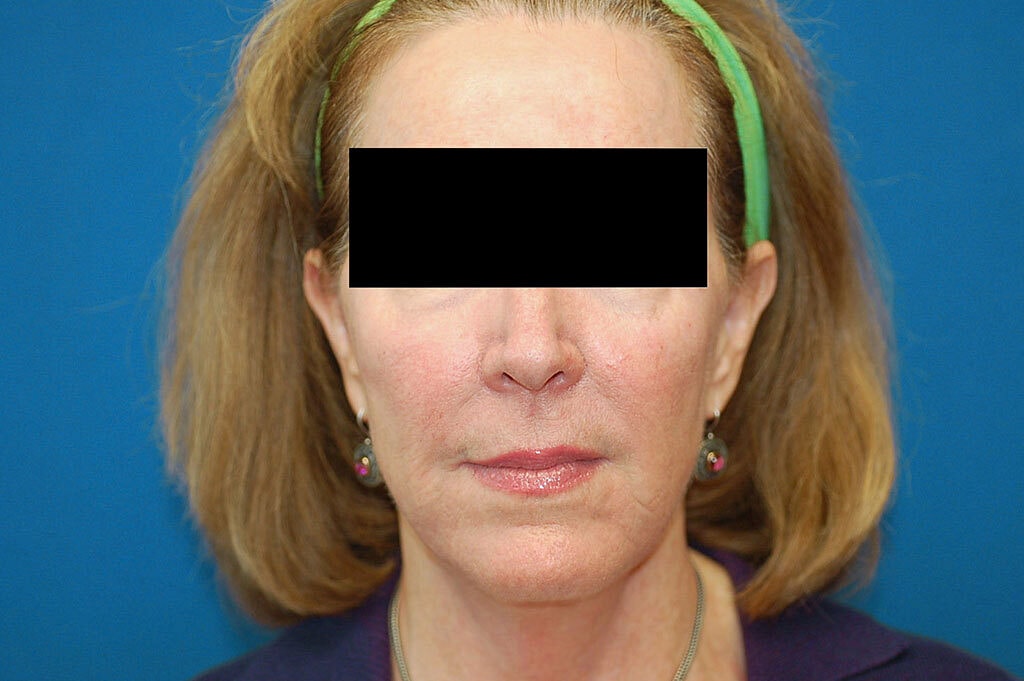
Facelift


Reveal Timeless Beauty
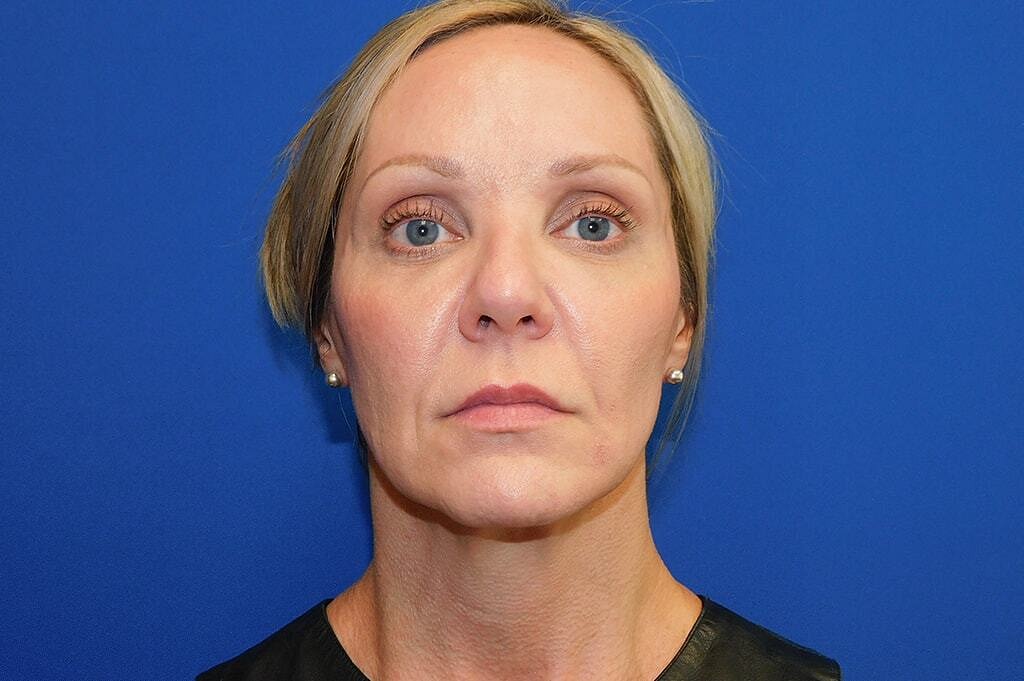
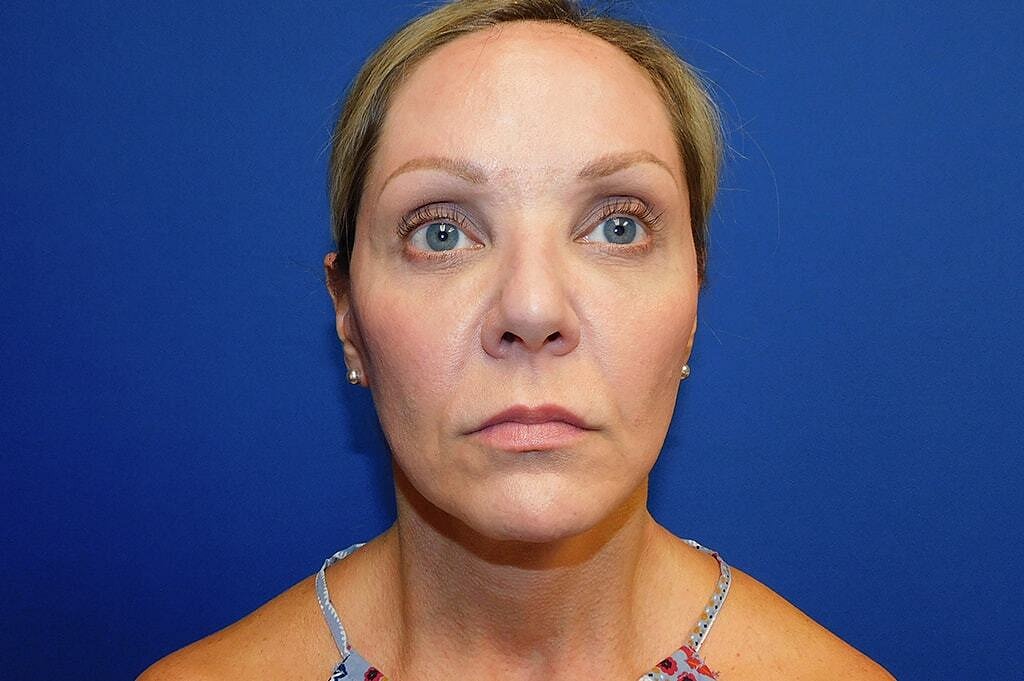
Aging is a natural privilege, but how it reflects on your face is entirely up to you. Over time, gravity, sun exposure, and the gradual loss of collagen cause the skin to relax and facial fat to drop. This leads to heavy jowls, deep folds around the mouth, and a loss of crisp jawline definition. When non-surgical injectables can no longer provide the lift you desire, a facelift offers a profound, lasting restoration.
A facelift can dramatically revitalize your facial appearance. Over time, aging, gravity, sun damage, and stress can cause the face to lose its youthful form and elasticity, often resulting in the formation of deep creases, folds, wrinkling, jawline laxity, and droopy cheeks. Fortunately, facelift surgery allows youthful contours of the face to be restored. A well-performed facelift can smooth these changes while maintaining a natural, refreshed look.
At Holzman Plastic Surgery, Austin plastic surgeon Steven Holzman, MD specializes in advanced, structural facelift techniques that elevate the deeper layers of the face.

Roughly two to six hours under general anesthesia
A more youthful appearance with fewer wrinkles, improved cheek and jaw definition, and long-lasting results
Office jobs can typically be resumed in one to two weeks, while strenuous activities should be avoided for at least four weeks
$19,177 (Based on statistics from RealSelf)
1 of 3
Look as Vibrant as You Feel
A facelift is a surgical procedure designed to address the signs of facial aging, including wrinkles, skin laxity, volume loss, jowls, and unwanted fat accumulation. Dr. Holzman can review your goals during your initial consultation and create a custom treatment plan in order to give you the more youthful appearance you desire.
A facelift can be performed alone or in conjunction with other procedures, such as a brow lift, eyelid surgery (blepharoplasty), or neck lift for patients desiring more extensive facial rejuvenation.
By lifting and securing the SMAS layer, Dr. Holzman elevates the heavy, descended tissue in your cheeks and lower face back to its original, youthful position. Once the underlying muscle and fat are secured, the overlying skin is gently redraped, and any excess is trimmed away. Because the tension is held by the deep tissue rather than the skin, this advanced approach creates a soft, incredibly natural lift that honors your unique facial identity while taking years off your appearance.
Eliminate Sagging Jowls Today
Facelift surgery, also called rhytidectomy, can improve the most visible signs of aging from the inside-out by tightening the underlying muscles of the face, removing deposits of excess fat, and re-draping the facial skin, making it appear firmer and tighter. If desired, dermal fillers (such as JUVÉDERM® and Restylane®), wrinkle-reducing injectables (such as BOTOX® Cosmetic), and other non-surgical treatments can also be incorporated to help restore lost volume and improve the appearance of the skin. For patients desiring comprehensive facial enhancement, blepharoplasty (eyelid surgery) or a brow lift are popular options that can be performed at the same time as your facelift.
After reshaping the internal foundation, Dr. Holzman redrapes the skin, excising the excess before closing the incisions with ultra-fine sutures. You will wake up with your head wrapped in a soft, supportive dressing and return home the same day under the care of a trusted loved one.
Dr. Holzman is a highly trained and experienced plastic surgeon, and he tailors each procedure to the specific needs of the patient. He can discuss incision placement and other details with you in advance so you know what to expect during your procedure and recovery process.
Target Lower Facial Aging
A facelift specifically targets the mid-to-lower face and neck, addressing the structural changes that topical creams and dermal fillers cannot fix.
Heavy tissue that droops below the jawline, obscuring the natural, crisp definition of the lower face.
The pronounced "smile lines" that run from the edges of the nose down to the corners of the mouth.
Vertical creases extending downward from the corners of the mouth, causing a permanent downturned or sad expression.
Flattened or sunken cheeks caused by the downward descent of natural facial fat pads.
Inelastic, hanging skin and noticeable vertical muscle bands (turkey neck) underneath the chin and across the neck.
Experience a Timeless Refresh
Facelift surgery can offer patients numerous benefits, including:
Beyond the dramatic physical improvement, the emotional benefits are life-changing. Looking in the mirror and seeing a reflection that matches your internal energy brings a profound boost in daily confidence. Dr. Holzman utilizes advanced structural techniques for truly authentic results.
Timeless Facial Contours
Ideal facelift candidates are those who are in good health with reasonable expectations for what the procedure can accomplish. Optimal results are typically obtained when a patient still possesses good skin tone and elasticity, which Dr. Holzman can assess during your consultation. It is important to note that a facelift is not designed to change the fundamental features of your face. Instead, it is meant to provide natural-looking rejuvenation to help you appear more refreshed and youthful.
During your private consultation, Dr. Holzman evaluates your facial anatomy, skin quality, and complete medical history. You must be in good general health and completely nicotine-free for several weeks before and after surgery. Smoking severely restricts the vital blood flow necessary for your skin to heal beautifully and for incisions to fade inconspicuously.

Reveal Your Refreshed Look
Recovery time after a facelift varies between patients based on a number of factors, including the complexity of the procedure, whether additional surgeries are performed, and how closely Dr. Holzman’s aftercare instructions are followed. Some swelling, bruising, and discomfort are common after surgery, but most patients find that these symptoms are manageable with pain medication and adequate rest.
Since you may be groggy after your surgery, Dr. Holzman recommends having a friend or family member available to drive you home and serve as a caregiver for the first 2-4 days. A significant portion of the swelling and pain should subside over the course of your first postoperative week, at which point you may resume light daily activity. Depending on your profession, you may be able to return to work as early as 7-10 days after surgery. However, you should hold off on engaging in any strenuous activities until given clearance by Dr. Holzman (usually after around four weeks).
In order to optimize the efficiency and comfort of your recovery, it is vitally important that you follow all of Dr. Holzman’s post-operative instructions and attend your follow-up appointments.
Dr. Holzman will prescribe a narcotic pain medication and an anti-nausea medication. Take both of these medications as scheduled for the first 24–48 hours after surgery. After that time, you may simply take them as needed.After the first 48 hours, you may switch to non-narcotic pain medications, if desired. Ibuprofen 600mg (three tablets) taken every eight hours, as needed, provides excellent pain control and also reduces inflammation. Take ibuprofen (brand name: Advil or Motrin) with food to avoid stomach upset.
TIPS:
The pain management instruction sheet provided by Dr. Holzman will have more information.
The aesthetic results of facelift depend upon skin thickness, the level of skin elasticity, and the patient’s unique facial structure. Most patients who come to our office for a facelift are extremely pleased with their results. Dr. Holzman is careful to keep the results of this procedure looking natural by minimizing potential scarring and preventing the skin from being overly tightened. Patients can emerge from this procedure looking youthful and refreshed, with an appearance that has been gracefully enhanced rather than dramatically changed.
Facelift results can be long-lasting, but may not be permanent. In general, patients can expect the benefits of a facelift to last 10 to 15 years, depending on the type of facelift performed, skin quality, genetics, and lifestyle factors. A facelift can help turn back the clock by repositioning deeper facial tissues and removing excess skin, but it does not stop the natural aging process. Over time, the face will continue to age—just from a more youthful starting point.
Maintaining a healthy lifestyle, protecting your skin from sun exposure, and following a good skin care routine can help extend your results. Some patients also choose non-surgical treatments over time to help preserve their refreshed appearance.
Refined Surgical Artistry
Experience personal care with Dr. Steven Holzman, who brings over two decades of specialized surgical expertise to every facial rejuvenation procedure. A facelift is a delicate blend of precise surgical skill and artistic vision; Dr. Holzman approaches each procedure with a deep respect for your natural identity, ensuring you leave his care looking authentically refreshed, never pulled or artificial.
Dr. Holzman values a family-standard approach, offering only procedures he'd recommend to his loved ones. From your initial evaluation to your final postoperative visit, you will meet directly with him, ensuring familiar, highly trained hands guide your entire journey. Join patients across Austin and Central Texas who trust his steady guidance and personal attention for their cosmetic transformations.
As with any surgical procedure, there may be some scarring after your facelift. That said, Dr. Holzman places your incisions in the most hidden areas possible so that, once healed, they are nearly imperceptible. His careful closure techniques can help further minimize the appearance of scarring. Dr. Holzman may recommend a silicone-based scar treatment at your first postoperative visit. These treatments decrease the appearance of the scars and speed healing. In the weeks following your procedure, we recommend avoiding direct sun exposure and tanning beds to prevent permanent discoloration in the bruised areas. It is also advised that you use a high-quality sunscreen and consider incorporating other medical-grade skin care products into your routine going forward in order to protect your skin and promote the longevity of your facelift results.
Shampoo your hair the evening before your procedure. Do not use any conditioners, gels, or hairsprays. Do not apply any makeup, facial creams, or lotions to your face the day of surgery. You may color your hair two days before the procedure, but you must wait six weeks after your procedure to color again. Dr. Holzman may also instruct you to begin taking an Arnica supplement in advance of your surgery. This can help prevent excessive bruising and swelling. You should continue taking the supplement after surgery until instructed otherwise by Dr. Holzman.
A traditional facelift can address moderate to advanced facial aging by lifting and repositioning deeper tissues in the midface, jawline, and neck, typically creating more dramatic and long-lasting results. It usually involves longer incisions and a longer recovery period. A mini facelift, on the other hand, targets mild to moderate sagging, often along the lower face and jawline, using smaller incisions and a shorter recovery time. While a mini facelift can be less invasive, its results are generally more subtle and may not last as long. The best option can depend on your degree of aging and personal aesthetic goals.
Take your pain and nausea medications at regular intervals. Begin advancing to a regular diet as tolerated. If you feel nauseated, immediately take anti-nausea medication and drink only clear fluids. As your nausea improves, you may add soft, easily digested foods, like broth-based soups, applesauce, or plain, steamed rice, to your diet as tolerated. Keep the incision sites clean and dry, and replace any wet gauze quickly. It is normal to see a small amount of bleeding from the incisions for the first 24–48 hours. If the bleeding is moderate to severe, call Dr. Holzman.
A head wrap / chin-strap / headband with foam will be used to hold your dressings in place after surgery. These will absorb any drainage and will provide gentle compression to decrease swelling. The dressings should be left intact. Keeping the tissues compressed aids in wound healing and provides more comfort. The compression dressing is generally worn 24 hours per day for five to seven days, then only at night for the next week.
Keep your head elevated during the first few weeks after facelift surgery, even while sleeping. This can help reduce swelling and inflammation, which can help minimize pain and promote a quicker healing process.
Minimize your head and neck movements after your procedure. Exercise during the first postoperative week should be limited to routine daily activities (eating, sleeping, and showering). You may begin light exercise after your first postoperative week. Walking is preferred, as it is minimally disruptive. You should not perform any exercises or movements that require severe turning of the head or produce episodes of breath holding, such as weight lifting, rowing, golfing, or heavy aerobics for approximately four weeks after your surgery. Extreme movements can disrupt your sutures, as well as lead to poor wound healing and unacceptable scarring. Dr. Holzman will let you know when normal activity may be resumed. This is usually four to six weeks after surgery. Driving should not be resumed until full range of motion of the head and neck is regained.
On average, the cost for a facelift at our practice is $19,177. That said, the precise cost of your procedure will vary depending on a range of factors, including:
After your consultation with Dr. Holzman, we can provide you with a personalized price estimate based on your unique needs and goals. If you are interested in finding out more information about payment plans or financing options, please contact us today and a member of our team will be happy to answer your questions.
Choosing the right facelift plastic surgeon is one of the most important steps in achieving safe, natural-looking results. Look for a board-certified plastic surgeon with extensive experience performing facelift procedures. Review facelift before-and-after photos to assess consistency and aesthetic style, and read patient reviews to learn about others’ experiences. During your consultation, the surgeon should listen carefully to your concerns, explain your options clearly, and recommend a personalized approach based on your facial anatomy and goals. It’s also important to feel comfortable and confident in their care, as open communication and trust matter. Finally, choose a practice that prioritizes patient safety, uses accredited surgical facilities, and provides comprehensive pre- and post-operative support.
You may shower and gently wash your hair 48 hours after surgery. Use a conditioner to help detangle your hair without pulling. You may notice some hair loss during your shower. This is not true hair loss, but rather hair that was cut when making the incisions.
If you need to dry your hair during the first few weeks after your facelift, the blow dryer should be set on low heat. Avoid using high heat on your hair dryer until four to six weeks after surgery. Be careful combing or brushing your hair. The areas around the incision sites may be slightly numb, and could be accidentally injured.
For the first seven to ten days after surgery, your face and neck will feel tight. You may find it difficult to fully open your mouth. Do not force neck movement or mouth opening, as you may disrupt sutures. For this reason, a soft diet for the first week after surgery is preferred, as it decreases mouth and facial movements.
Swelling and bruising are common after facelift surgery. The swelling may be significant for the first three to four days. You will notice significant bruising on your face and neck after surgery. Bruising will appear purple in color initially and will fade to brown and yellow over the next week or so. The swelling will make the face and neck look distorted initially, but it will resolve over the next two to four days. Most swelling and bruising will resolve after two to four weeks.
Camouflage makeup may be used after any sutures or staples are removed, and the incision sites are no longer crusted.
“...I am so happy that I chose Dr. Holzman!”