Home/Blog / What Is the Pencil Test for Sagging Breasts?
What Is the Pencil Test for Sagging Breasts?
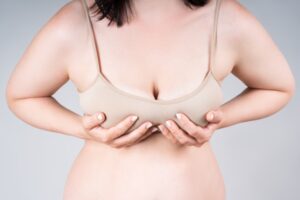 Breast shape and position naturally change over time due to factors such as aging, gravity, pregnancy, weight fluctuations, and genetics. As these changes occur, many women begin to wonder whether their breasts are “sagging” and if cosmetic surgery might help restore a more youthful contour. One informal method that has gained attention is known as the pencil test. Understanding what the pencil test is, and what it isn’t, can help you make informed decisions about your body and your options.
Understanding Breast Sagging (Ptosis)
In medical terms, sagging breasts are referred to as breast ptosis. Ptosis occurs when the breast tissue and nipple descend on the chest wall, often accompanied by a loss of firmness and upper breast fullness. Ptosis is typically classified into different grades based on the position of the nipple in relation to the breast crease (also known as the inframammary fold).
- Mild ptosis (Grade I): The nipple sits at or just slightly below the breast crease but still points forward. There may be minimal sagging, with early signs of skin laxity and mild loss of upper pole fullness.
- Moderate ptosis (Grade II): The nipple falls below the breast crease and points slightly downward. Breast sagging is usually more noticeable, and the breasts may appear elongated or deflated.
- Severe ptosis (Grade III): The nipple is positioned well below the breast crease and points downward. Significant sagging is present, and the lower breast tissue may hang below the chest wall.
- Pseudoptosis: In this variation, the nipple remains above or at the breast crease, but the majority of breast tissue hangs below it. This often occurs after pregnancy or weight loss and can still create the appearance of sagging.
It’s important to note that breast sagging is not a flaw or a medical condition—it’s a natural change influenced by aging, gravity, genetics, and life events. However, if breast ptosis affects your confidence, physical comfort, or clothing options, cosmetic procedures such as breast lift surgery, breast augmentation, or breast reduction may help restore a more satisfactory breast contour.
What Is the Pencil Test?
The pencil test is a simple, at-home method some women use to assess whether their breasts are sagging. To perform the test, place a pencil horizontally underneath the breast, right at the inframammary fold. If the pencil stays in place without being held, the test is considered “positive,” suggesting sagging. If it falls, the test is considered “negative.”
While the pencil test is easy to perform, it does not measure breast tissue quality, nipple position, skin elasticity, or breast volume—factors many plastic surgeons use to evaluate breast ptosis. Breast size, shape, rib cage width, and even the type of pencil used can influence the outcome. Women with fuller breasts may “pass” the pencil test even if their nipples are well-positioned, while women with smaller breasts may “fail” despite having minimal sagging. For an accurate assessment of ptosis grade, breast shape, and treatment options, it’s important to consult with a board-certified plastic surgeon.
When Breast Sagging Becomes a Concern
Sagging breasts can present differently for each woman. Some common concerns include:
- Nipples that point downward or sit below the breast crease
- Loss of upper breast fullness
- Breasts that appear elongated or deflated
- Difficulty finding supportive bras or flattering clothing
If any of these issues resonate with you, a consultation at Holzman Plastic Surgery can help determine whether surgical correction may be beneficial.
Breast Lift Surgery: The Gold Standard for Sagging Breasts
For women primarily concerned with sagging, breast lift surgery (mastopexy) is often the most effective solution. This procedure can reshape and elevate the breasts by removing excess skin, tightening the surrounding tissue, and repositioning the nipple and areola to a more youthful height.
A breast lift can dramatically improve breast position and firmness, but it does not significantly change breast size. Many patients choose to combine a breast lift with other procedures to achieve their desired outcome.
Combining a Breast Lift with Breast Augmentation
If sagging is accompanied by volume loss, usually after pregnancy or weight loss, breast augmentation may be recommended alongside a breast lift. Breast implants can help restore fullness, especially in the upper portion of the breast, while the lift can correct drooping and reshape the breast mound.
This combination approach generally allows patients to enhance both breast size and position in a single surgery, typically creating a more balanced and youthful silhouette.
Breast Reduction for Sagging and Discomfort
For women with overly large, heavy breasts, sagging may be paired with physical discomfort such as neck pain, shoulder grooving, or skin irritation. In these cases, breast reduction surgery can be an excellent option. Breast reduction is designed to remove excess breast tissue and skin while lifting and reshaping the breasts to a more proportionate size.
In addition to improving breast position, breast reduction can provide significant relief from physical symptoms and enhance overall quality of life.
Why a Professional Consultation Matters
Tests like the pencil method can spark curiosity, but they can’t replace a personalized evaluation. During a consultation, board-certified plastic surgeon Steven Holzman, MD assesses nipple position, breast volume, skin elasticity, body proportions, and personal goals to recommend the most appropriate procedure or combination of breast surgeries.
Every woman’s anatomy and expectations are unique, and surgical planning should reflect that individuality rather than rely on an outdated or a one-size-fits-all approach.
Next Steps for Addressing Breast Sagging
The pencil test may be a popular talking point, but it offers limited insight into whether your breasts are sagging or what treatment might be right for you. If breast changes are affecting your confidence or comfort, professional guidance is key. Dr. Holzman provides expert evaluation and customized surgical procedures, including mastopexy, augmentation, and breast reduction, to help patients feel more confident in their bodies at every stage of life.
If you’re curious about your options, contact our practice to schedule a consultation and take the next step toward clarity and confidence.
Previous Post Next Post